
How to Clean a Dishwasher: Filter, Spray Arm and Odors, Step by Step
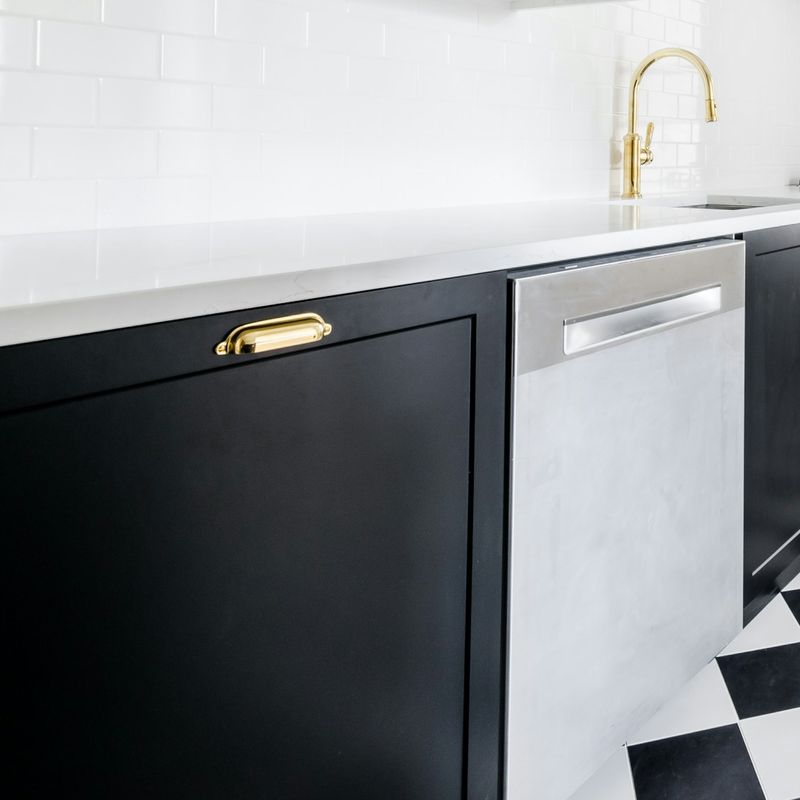
Short answer: a dishwasher needs three kinds of cleaning. Every couple of months, pull out the bottom rack, take out the filter and rinse its parts at the sink, and check the spray arm holes for clogs. About once a month, run an empty normal cycle with a citric-acid-based dishwasher cleaner to remove deposits and odors. And now and then, wipe the door seal and the outside with the right cleaner for the finish. If your machine is more than about ten years old, it may have a self-cleaning filter that doesn’t need emptying at all.
First, find out which filter you have
The filter keeps food from settling back onto clean dishes and from clogging the drain. There are two kinds, and they need different care:
| Manual filter | Self-cleaning filter | |
|---|---|---|
| Common on | Most dishwashers from the last 10 years or so | Older machines (more than about a decade old) and some higher-end models |
| How to spot it | A plastic cylinder under the bottom spray arm, often with arrows showing which way to twist it to unlock | A plastic grid or a series of holes at the base of the tub, covering the filter |
| How it works | Traps food scraps until you clear them out; quieter | Grinds food or forces it through an ultrafine mesh so it drains away |
| Your job | Remove and rinse it regularly | Nothing routine; if washing gets worse, check the owner’s manual or call for repair |
From Consumer Reports, “How to Clean Your Dishwasher Filter”, sections on telling manual and self-cleaning filters apart, read November 2, 2026.
How to clean a manual dishwasher filter
- Check how often your maker says to do it. Many suggest every two to three months; clean it more often if you run the dishwasher a lot. Bits of food stuck to dishes after a wash are a sure sign it’s due.
- Take it out. Pull out the bottom rack and remove the filter from under the spray arm. It usually has several interlocking parts, often a center cylinder that unscrews so you can lift out the mesh. Your owner’s manual shows how yours comes apart.
- Rinse each part at the sink under running water or with the faucet sprayer.
- Scrub off stuck grime with a sponge or soft brush and warm soapy water; a bottle brush or old toothbrush reaches tight spots. Avoid wire brushes and scouring pads, which can damage the mesh.
- Reassemble and lock it back in place before the next load.
From Consumer Reports, “How to Clean Your Dishwasher Filter” (section “How to Clean Your Manual Dishwasher Filter”) and “How to Clean a Dishwasher” (step 2), read November 2, 2026.
Clear the spray arm while you’re in there
The spray arm usually lifts off its base with a gentle tug. Rinse it under the faucet and look for clogged holes, which you can clear with a toothpick or wooden skewer. Some spray arms have an extra hole underneath that shoots water into the filter to keep it clean; check that one too before you put the arm and filter back.
From Consumer Reports, “How to Clean a Dishwasher”, step 2 “Clear the Filter and Spray Arm”, read November 2, 2026.
Monthly: deodorize and remove deposits
- Run a dishwasher cleaner cycle. Use a citric-acid-based dishwasher cleaner (not regular dishwasher detergent) about monthly. Typically it goes in the detergent dispenser and you run a normal cycle with the machine empty; follow the cleaner’s own instructions.
- Hard water stains that won’t budge? Try a cleaner made for stubborn hard-water deposits.
- Built-in water softener? Refill the regeneration salt when the indicator light says it’s low, using only dishwasher salt, never table salt. It helps prevent mineral buildup and spotting.
From Consumer Reports, “How to Clean a Dishwasher”, step 3 “Sanitize and Deodorize”, read November 2, 2026.
Door seal and outside
- Door seal: wipe the gasket between the door and the tub with a rag. Residue there can cause odors, encourage mold and keep the door from sealing properly.
- Plastic front: a sponge and hot soapy water.
- Stainless steel front: a glass cleaner without ammonia or a stainless steel cleaner, sprayed onto a soft or microfiber cloth, never straight onto the door, where moisture could damage the controls. Never use bleach-based wipes, harsh chemicals, scouring pads or anything abrasive on a stainless door or tub.
From Consumer Reports, “How to Clean a Dishwasher”, step 1 “Clean the Exterior”, read November 2, 2026.
Our own tips (not from those sources): take a phone photo of the filter before you take it apart so putting it back is easy; put a reminder in your calendar for the filter every two months and the cleaner cycle on the first of each month; and if a bad smell comes back within days of cleaning, check whether the drain hose has a kink or the sink drain is slow, since standing water is a common cause.
Dishwasher cleaning checklist
- Filter type identified: manual or self-cleaning
- Manual filter removed, rinsed and scrubbed every 2–3 months (no wire brushes)
- Spray arm holes cleared, including any hole underneath
- Citric-acid dishwasher cleaner, empty normal cycle, about monthly
- Softener salt topped up if your machine has a built-in softener
- Door seal wiped; front cleaned with a finish-safe cleaner
Shop dishwashers on Amazon
Check the filter type (manual or self-cleaning), noise rating and tub material on each listing.
Keep reading
See all dishwashers, or read our dishwasher buying guide and should you rinse dishes before the dishwasher?
Disclosure: As an Amazon Associate we earn from qualifying purchases. We also earn commissions from eBay and other retailers' affiliate links. Shop links on this page are affiliate links and are marked sponsored.