
What Humidity Should You Set a Dehumidifier To? Settings and Placement Tips
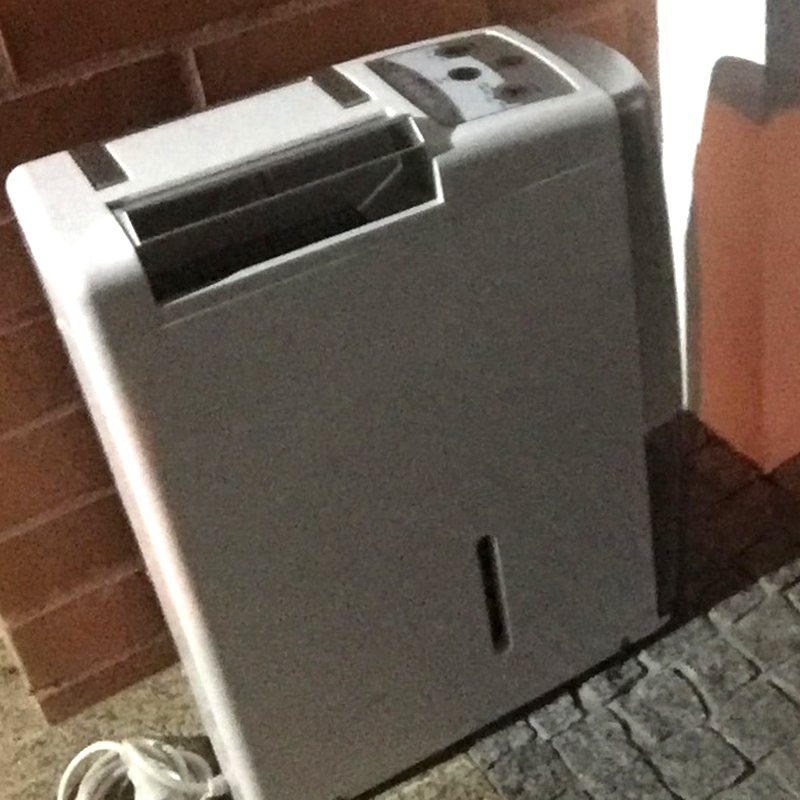
Short answer: set your dehumidifier to about 45–50% relative humidity for a basement or crawl space. ENERGY STAR puts the best range for a building at 30–50%, and EPA says to keep indoor humidity below 60%. In colder climates during the heating season, aim for 30–40% to avoid condensation on windows. Then let the built-in humidistat switch the unit on and off for you.
The numbers that matter
| Relative humidity | What it means |
|---|---|
| Above 60% | Too damp. Mold can grow; EPA says to keep indoor RH below this. |
| 50–60% | Borderline. Fine for short spells, but not a target for a basement. |
| 30–50% | The ideal range for a building. Low humidity also discourages dust mites and pests. |
| 30–40% | The target in colder climates during the heating season, to prevent window condensation. |
Humidity ranges from ENERGY STAR’s dehumidifier saving tips and EPA Mold Course Chapter 2 (“Lesson 3: Humidity”), read October 22, 2026.
How to set it
- Measure first. Put a hygrometer (an inexpensive humidity gauge) near the unit. If your dehumidifier’s humidistat doesn’t show RH numbers, a separate hygrometer is how you’ll know what’s really happening.
- Start at 50%. Run the unit on continuous or its lowest RH setting for the first few days if the space starts out very damp, then switch to a 50% setpoint.
- Fine-tune. If you still smell must or see condensation, step down to 45%. Going much below 40% mostly costs energy without a real benefit in most basements.
- Keep it closed. Shut doors and windows to the space while the unit runs so it isn’t trying to dry the outdoors.
Where to put a dehumidifier
- Air flow: most portable units blow air out of the top and can sit against a wall. If yours vents from the side or back, keep it away from walls and furniture.
- Near the drain: if you’ll use a hose, place it close enough to a floor drain or sump that the hose is short and isn’t a tripping hazard.
- Away from dust: keep it clear of woodworking or other dusty areas, which clog coils and grilles.
- Electrical safety: plug into a properly grounded outlet, and keep drain water and hoses away from cords and electrical devices.
- Warm air is normal: the area right around the unit gets slightly warmer as it removes moisture.
Placement tips from ENERGY STAR’s dehumidifier saving tips, read October 22, 2026.
Cut the moisture at the source
A dehumidifier works less when less water gets in. Extend downspouts away from the foundation, keep gutters clear, make sure soil slopes away from the house, don’t over-water foundation plantings, vent the clothes dryer outdoors, use bath and kitchen vent fans, and fix leaking outdoor faucets. Cooking, showers, humidifiers and unvented combustion appliances all add moisture indoors too.
ENERGY STAR “Other Ways to Reduce Humidity in the Home” and EPA Mold Course Chapter 2, read October 22, 2026.
Quick checklist
- Hygrometer placed near the unit
- Humidistat set to about 45–50% (30–40% in cold weather)
- Never left above 60%
- Doors and windows to the space closed
- Unit placed for air flow, near a drain, away from dust
- Grounded outlet; hose kept away from cords
- Gutters, downspouts and grading checked
Shop dehumidifiers on Amazon
Check each unit’s humidistat (does it show RH numbers?), drain options and lowest operating temperature on the listing.
Keep reading
Not sure your unit is big enough? Read what size dehumidifier you need, or see all dehumidifiers.
Disclosure: As an Amazon Associate we earn from qualifying purchases. We also earn commissions from eBay and other retailers' affiliate links. Shop links on this page are affiliate links and are marked sponsored.