
Front-Load vs Top-Load Washer: Which Should You Buy?
Short answer: a front-load washer uses the least water and energy, is gentlest on clothes and can be stacked under a dryer, but you bend to load it and should leave the door open after use to stop mold. A top-load washer is easier on your back and lets you toss in a forgotten sock mid-cycle. If you go top-load, an impeller model (no center post) holds more and uses less water than a classic agitator model.
The three types
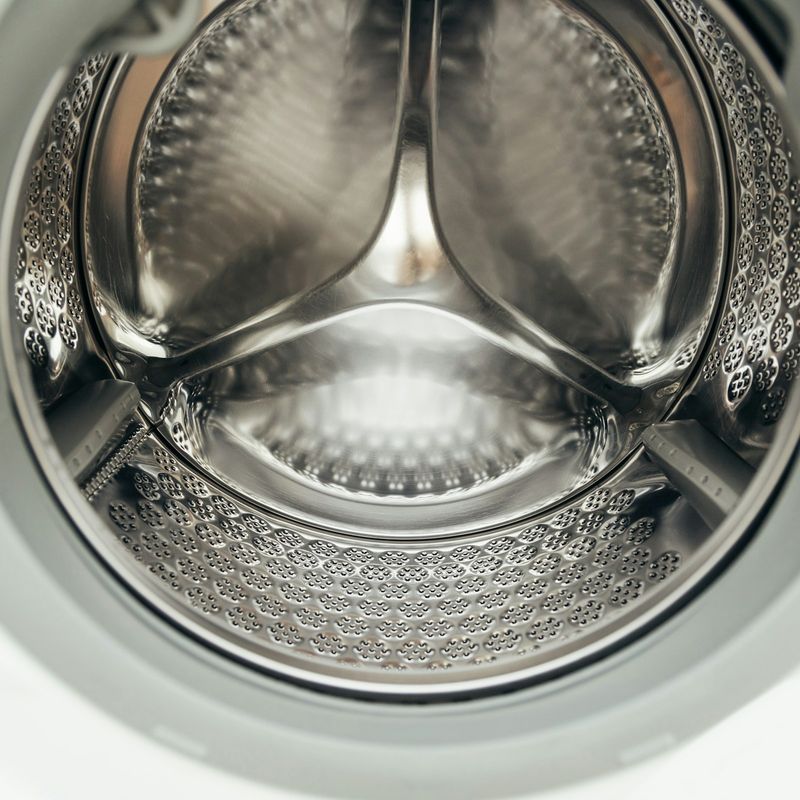
- Front-load: the drum lies on its side and tumbles clothes through a small pool of water. Door on the front.
- Top-load with impeller: a low cone or disc at the bottom of the tub moves the clothes. No center post, so more room inside.
- Top-load with agitator: the classic tall post in the middle twists the clothes. Familiar and simple, but rougher on fabric and uses the most water.
Front-load vs top-load at a glance
| Front-load | Top-load impeller | Top-load agitator | |
|---|---|---|---|
| Energy and water | Lowest. Certified front-loaders use about half the energy and water of an agitator top-loader | In between. Front-loaders are still about 25% more efficient | Highest |
| On your clothes | Gentle tumbling; many handle delicates | Gentler than an agitator | Roughest; more wear on often-washed items |
| Room for bulky items | Good; no agitator in the way | Good; no agitator in the way | Less, because the post takes up space |
| Loading | Bend down, or raise it on a pedestal | Standing up; a deep tub can be hard to reach the bottom of | Standing up |
| Stacking | Yes, with a dryer on top (stacking kit) | No | No |
| Upkeep | Leave the door open after use; the airtight seal can trap moisture and grow mold | Lid can stay open to dry | Lid can stay open to dry |
Efficiency, fabric-care and door-seal points from ENERGY STAR’s “Clothes Washers” buying guidance, read October 18, 2026.
What the efficiency numbers mean
- ENERGY STAR says the average American family washes about 300 loads a year, so small differences add up.
- Certified washers use about 20% less energy and 30% less water than standard ones. A full-size certified washer uses about 14 gallons a load, against about 20 for a standard machine.
- On a spec sheet, look for a high IMEF (Integrated Modified Energy Factor: energy used, including heating the water and drying) and a low IWF (Integrated Water Factor: gallons per cubic foot of capacity).
- Check the yellow EnergyGuide label to compare yearly running costs between models.
Size and fit
- Capacity is listed in cubic feet. Think about how big your usual loads are and whether you wash bulky items like comforters at home. A bigger drum means fewer loads, but only if you fill it.
- Measure the space: width, depth (add room for hoses and the power cord behind it) and height.
- Top-loaders need headroom for the lid to open, so they can’t go under a counter or a low shelf.
- Front-loaders need door swing in front, and room for you to kneel or bend. A pedestal drawer raises the door to a more comfortable height.
- Tight space? ENERGY STAR notes certified models also come in stackable, under-the-counter and all-in-one washer-dryer designs.
- The path in: measure doorways, halls and stairs to the laundry spot.
Features worth paying for (and what to skip)
- High or extended spin: ENERGY STAR notes a faster spin leaves less water in your clothes, so drying takes less time.
- Cold-water cycles that clean well: heating water takes about 90% of a washer’s energy, according to ENERGY STAR, and cold water does a good job for most loads.
- Load-size sensing: nice, but a washer uses about the same energy whatever the load size, so running full loads saves the most.
- Sanitize cycle: handy when someone is sick, but ENERGY STAR notes this very hot cycle uses a lot more energy, so use it only when needed.
- Steam, app control and extra cycles: pleasant extras. Decide if you’d really use them.
- Detergent: front-loaders and high-efficiency top-loaders need detergent marked “HE”.
Living with a front-loader
- Leave the door ajar for an hour or two after each wash so the seal dries, and keep children from climbing in while it’s open.
- Follow the maker’s cleaning routine. Some recommend a monthly cleaning cycle and wiping the door seal and detergent drawer.
- Set it on a solid, level floor. Fast spinning shakes a washer that isn’t level.
Quick checklist before you buy
- Front-load, top-load impeller, or top-load agitator
- Space measured: width, depth with hoses, height (lid headroom for top-load, door swing for front-load)
- Stacking with a dryer, or a pedestal, if you go front-load
- Capacity that matches your usual loads and bulky items
- ENERGY STAR label, high IMEF, low IWF, and the EnergyGuide running cost
- High spin speed and good cold-water cycles
- Doorways and stairs measured for delivery
Shop washers on Amazon
Filter by front-load or top-load, capacity and width, and check the ENERGY STAR label on each listing.
Keep reading
Doing up the kitchen too? See the dishwasher buying guide and gas vs electric vs induction. Or browse washers, dryers and washer-dryer combos.
Disclosure: As an Amazon Associate we earn from qualifying purchases. We also earn commissions from eBay and other retailers' affiliate links. Shop links on this page are affiliate links and are marked sponsored.