
Refrigerator Buying Guide: How to Measure, Styles and Size
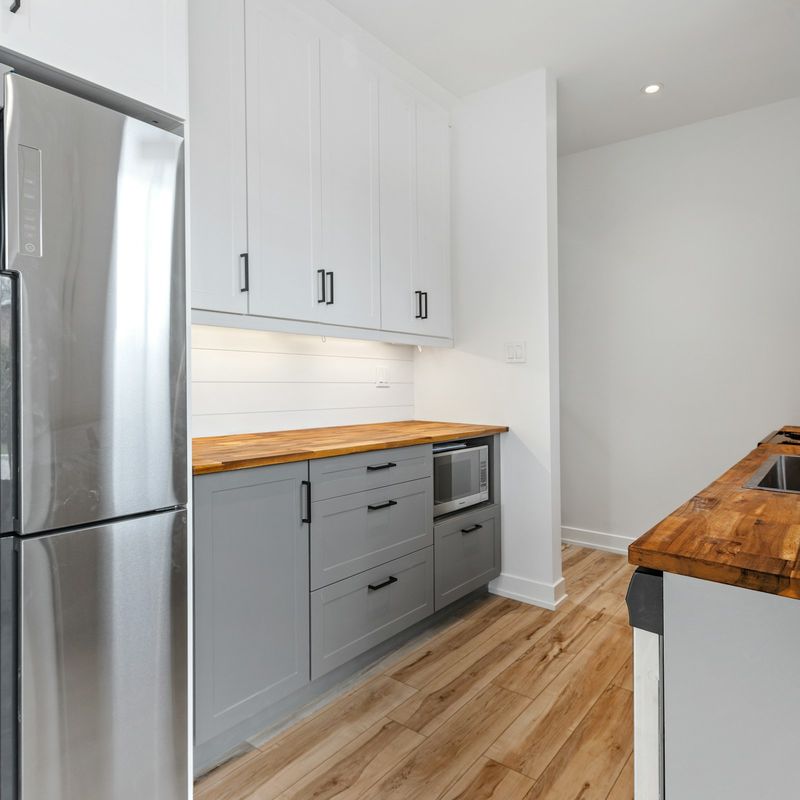
Short answer: measure before you shop. Get the width, height and depth of the space, the room the doors need to swing open, and every doorway and hallway on the way to the kitchen. Then pick a style (top freezer, bottom freezer, side-by-side or French door) and a size that fits your household, not the biggest box that fits. Bigger fridges use more energy: the most energy-efficient models are typically 16 to 20 cubic feet.
How to measure for a new refrigerator
- Width: measure the opening at the top, middle and bottom, and use the smallest number. Cabinets and walls are rarely perfectly square.
- Height: measure from the floor to the underside of the cabinet above (or the ceiling). Include the hinges on top of the fridge when you compare.
- Depth: measure from the back wall to the front edge of the counter. A fridge deeper than that will stick out past the counters; one about the same depth sits flush.
- Air space: leave a few inches between the back of the fridge and the wall so air can circulate, plus whatever gap the model’s installation instructions ask for on the sides and top.
- Door swing: check that the doors can open fully (wide enough to pull drawers out) without hitting a wall, island or the counter beside it.
- Delivery path: measure every doorway, hallway and turn from the front door to the kitchen. Many fridges fit the kitchen but not the hall; removing the doors can buy some room.
- Water line: if you want an ice maker or water dispenser, check there is a water supply behind the fridge.
Compare each number with the dimensions on the product listing, which usually give height with and without the hinges and depth with and without the doors.
Refrigerator styles compared
| Style | Good for | Trade-offs |
|---|---|---|
| Top freezer | Lowest energy use of the main styles; simple and widely available | You bend down for the fresh-food shelves you use most |
| Bottom freezer | Fresh food at eye level | Freezer drawer means bending for frozen items; uses more energy than a top freezer |
| Side-by-side | Narrow doors that need less swing space; tall freezer section | Narrow shelves can’t fit wide platters; side-by-sides typically use more energy |
| French door | Wide fresh-food shelves at eye level, narrow doors, freezer drawer below | More doors and drawers; check the energy use on its label |
| Counter-depth (any style) | Sits roughly flush with the counters for a built-in look | Less space inside than a standard-depth model of the same width |
Energy notes from ENERGY STAR “Refrigerators” buying guidance (top freezers tend to use the least energy, fewer doors reduce air leakage, larger fridges use more) and the U.S. Department of Energy FEMP page “Purchasing Energy-Efficient Residential Refrigerators” (side-by-sides and through-the-door ice typically use more energy), read October 20, 2026. The measuring steps and layout pros and cons are our own summary.
How big a refrigerator do you need?
- Size it to your household and how you shop. An oversized fridge costs more to buy and wastes energy cooling empty space.
- The efficient range: ENERGY STAR says the most energy-efficient models are typically 16 to 20 cubic feet.
- Through-the-door ice and water is convenient, but these models typically use more energy.
- Second fridge in the garage? An old second fridge can cost a lot to run. If you need one year-round, a new efficient model is usually the better choice; otherwise recycle it.
Features worth checking
- ENERGY STAR certified: about 9% more efficient than models that just meet the federal minimum.
- Door seals: airtight seals keep cold air in. Fewer doors also means less air leakage.
- Refrigerant: R-600a and R-441A are lower-global-warming refrigerants, if that matters to you.
- Adjustable shelves and door bins for tall bottles and wide dishes.
- Haul-away: ask whether delivery includes removing and recycling your old fridge.
Once it’s in: set the fridge to 35–38°F, keep it away from the oven, dishwasher and direct sun, and leave room for air behind it.
Efficiency, seal, refrigerant, temperature and placement notes from the same ENERGY STAR page, read October 20, 2026.
Quick checklist before you buy
- Opening width (smallest of three), height to the cabinet, depth to the counter edge
- A few inches of air space behind, plus the gaps the manual asks for
- Doors open fully without hitting walls or the island
- Every doorway and hallway on the delivery path measured
- Style chosen; size matched to your household
- Water line in place if you want ice and water
- ENERGY STAR label and the yearly energy use on the EnergyGuide label
- Delivery, install and haul-away terms
Shop refrigerators on Amazon
Check each fridge’s height with hinges, depth with doors, door-swing clearance and EnergyGuide figure on the listing.
Keep reading
Browse refrigerators and water filters, or see the dishwasher buying guide and gas vs electric vs induction ranges.
Disclosure: As an Amazon Associate we earn from qualifying purchases. We also earn commissions from eBay and other retailers' affiliate links. Shop links on this page are affiliate links and are marked sponsored.