
How Much Laundry Detergent Should You Use? HE Washers, Pods and Dosing
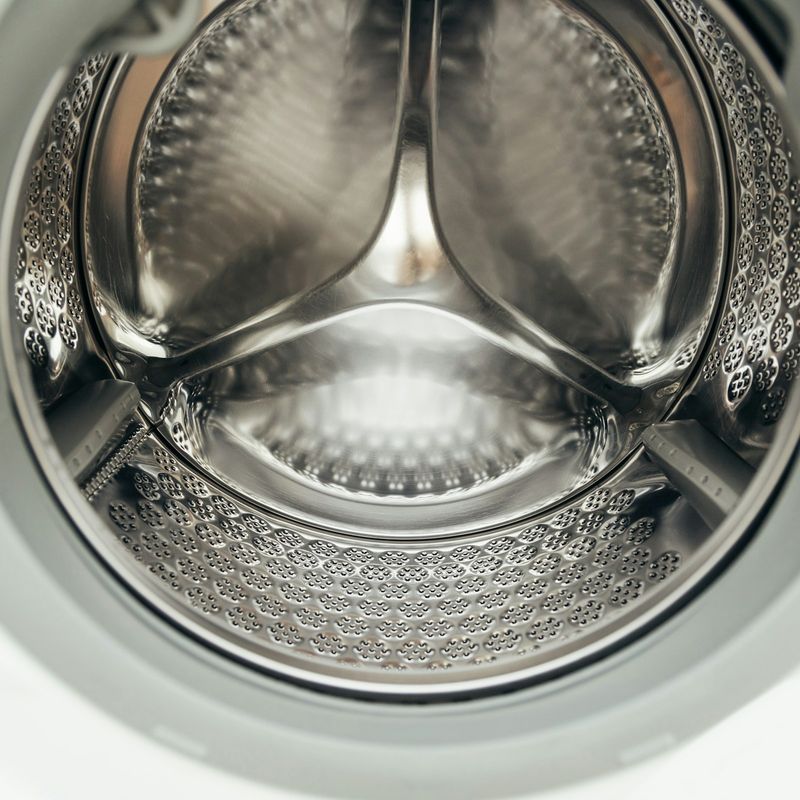
Short answer: use the amount on the detergent label for a normal load, then adjust: less for small loads, light soil or soft water, and more for large loads, heavy soil or hard water. More detergent is not better. In a high-efficiency (HE) washer, use only HE detergent (look for the HE symbol), because regular detergent makes too many suds. Laundry packets go in the drum before the clothes, never in the dispenser drawer.
How much detergent? Adjust from the label
Detergent directions are written for “typical” wash conditions. The American Cleaning Institute (ACI), the cleaning-products industry group, says to follow the package instructions and adjust for anything that isn’t typical:
| Your load | Use |
|---|---|
| Small load | Less detergent |
| Lightly soiled | Less detergent |
| Soft water | Less detergent |
| Large load | More detergent |
| Heavily soiled | More detergent |
| Hard water | More detergent |
One thing that does not change the dose: how little water your HE washer uses. ACI says the right amount of detergent depends on the size and soil level of the load, not on the amount of water the machine uses. And too much or too little detergent can both leave clothes less clean than the right amount.
- Concentrated (“ultra”) detergents: most liquids and powders are now concentrated, so you need less than with an unconcentrated product. Follow the label and use the cap or scoop that comes with it.
- Hard water: ACI suggests slightly more detergent than the label recommends, or adding a water softener or detergent booster. Your local water company, utility or Cooperative Extension office can tell you whether your water is hard.
- Pretreat stains with a stain remover, liquid detergent, or a paste of powdered detergent and a little water, testing on a seam first.
From ACI, “High Efficiency Washers and Detergents” and “Laundry Basics”, read October 28, 2026.
Why HE washers need HE detergent
HE washers, front-load and top-load, clean with much less water than traditional agitator machines. ACI’s guide says HE detergents are made to be low-sudsing and quick-dispersing for those low-water cycles, and to hold soil and dye in the water so it doesn’t settle back onto clothes.
- Regular detergent in an HE washer makes too many suds. The suds “cushion” the laundry, which cuts stain removal and rinsing, and can make water or suds overflow from the machine.
- Using less regular detergent doesn’t fix it. ACI says a smaller dose of regular detergent won’t solve the sudsing problem and can hurt cleaning. HE detergent is formulated differently.
- Read the label. HE detergents carry the HE symbol. ACI warns that some products labeled “HE compatible” are regular-sudsing detergents that shouldn’t go in an HE washer.
- Leftover suds and residue add up. Low wash temperatures or regular detergent can leave soil behind in an HE machine, which over time can lead to bacteria, mold and odors.
From ACI, “High Efficiency Washers and Detergents”, read October 28, 2026.
Laundry packets: how to use them safely
- Put the packet in the drum first, before the clothes, in both top-loaders and HE front-loaders. Don’t put it in the dispenser drawer.
- Handle packets with dry hands. The film dissolves quickly, even in a little water.
- Don’t cut or puncture them, and don’t use them for hand washing or to pretreat stains. Throw away packets that have stuck together.
- Store them up and out of sight and reach of children, in the original container with the label on, sealed tightly, and away from food.
- If a child may have been exposed, call your local poison center right away.
From ACI, “Liquid Laundry Packet Safety Tips”, read October 28, 2026.
Keep the washer clean: the maintenance cycle
ACI says washer makers may recommend an empty “maintenance cycle” as often as once a week, and at least once a month, to keep an HE washer free of buildup. If your washer has a cleaning cycle, follow its manual. If not, ACI’s manual method is:
- Choose the hot water setting (or a whites or stain cycle if there is no hot setting), with no laundry inside.
- Select the extra rinse option if there is one.
- Fill the bleach dispenser to its maximum line with liquid chlorine bleach.
- Run the full cycle, then an extra rinse if your washer didn’t do one, so no bleach is left behind.
- Repeat if odors remain.
From ACI, “High Efficiency Washers and Detergents”, read October 28, 2026.
Dispenser tips
- Use the right compartment for each product: detergent, bleach and fabric softener.
- Don’t mix liquid and powder products in the same compartment at the same time; it can cause caking.
- Don’t put detergent and fabric softener in the same compartment, or the softener goes in at the wrong time.
- Don’t overfill compartments, which can release products too early.
From ACI, “High Efficiency Washers and Detergents”, read October 28, 2026.
Save energy while you’re at it
- Wash in cold water. ENERGY STAR says heating water takes about 90% of the energy a clothes washer uses, and that unless you are dealing with oily stains, cold water generally does a good job. Switching from hot to warm can cut energy use in half.
- Run full loads. A washer uses about the same energy whatever the load size.
- Shopping for a washer? ENERGY STAR says certified full-size washers use 14 gallons of water per load, compared with 20 gallons for a standard machine. Our front-load vs top-load guide compares the two types.
From ENERGY STAR, “Clothes Washers”, read October 28, 2026.
Detergent checklist
- HE symbol on the detergent if you have an HE washer
- Label dose for a normal load, then adjusted
- Less for small, lightly soiled loads or soft water
- More for big, dirty loads or hard water
- Packets in the drum before the clothes, never the dispenser
- Packets stored up high, out of children’s sight and reach
- Empty maintenance cycle at least once a month
- Cold water unless there are oily stains
Shop washers on Amazon
Check each washer’s capacity, HE type, cleaning cycle, dimensions and ENERGY STAR status on the listing.
Keep reading
See all washers, dryers and washer-dryer combos, or read how to clean a dryer vent.
Disclosure: As an Amazon Associate we earn from qualifying purchases. We also earn commissions from eBay and other retailers' affiliate links. Shop links on this page are affiliate links and are marked sponsored.