
How to Clean a Dryer Vent: Signs It’s Clogged and How to Prevent a Dryer Fire
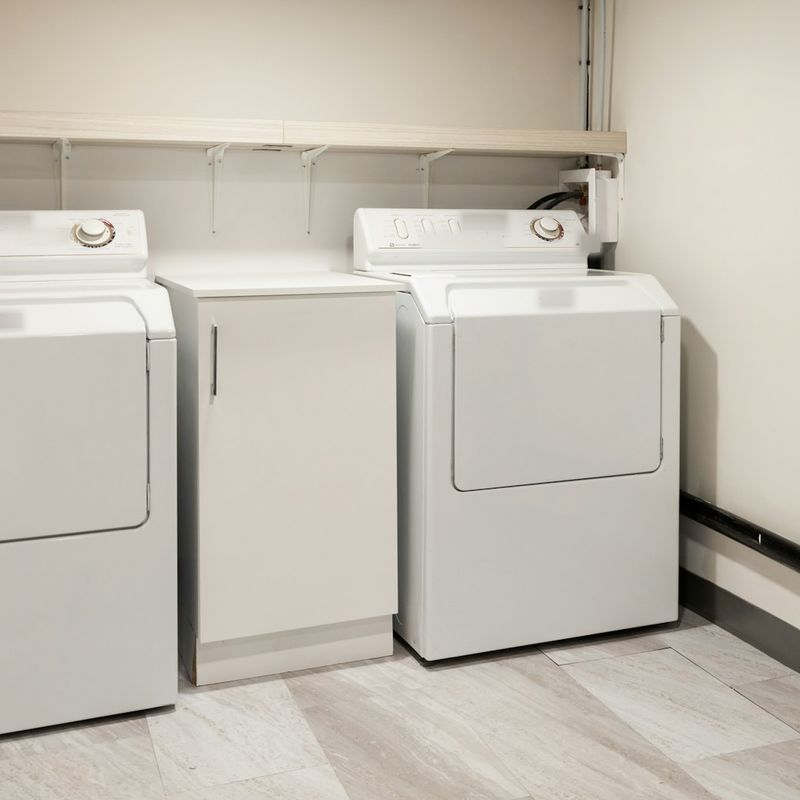
Short answer: clean the lint filter before or after every load, clean the vent duct and the area behind the dryer regularly, and replace any white plastic or foil accordion duct with rigid or semi-rigid metal duct. If clothes are still damp after a normal cycle, drying takes longer than it used to, or no air comes out of the outside vent while the dryer runs, the lint filter or the vent is likely blocked: clear it before you dry another load.
Why lint is a fire risk
The Consumer Product Safety Commission (CPSC) explains that lint builds up inside the dryer and in the exhaust duct, blocks the flow of air, causes excessive heat and can start a fire in some dryers. The U.S. Fire Administration (USFA) puts it simply: you are at higher risk of a dryer fire if you don’t clean the lint filter and dryer vents.
From CPSC, “Overheated Clothes Dryers Can Cause Fires” (publication 5022), and USFA, “Clothes Dryer Fire Safety” flyer, read October 25, 2026.
Signs your dryer vent is clogged
- Clothes still damp at the end of a normal drying cycle.
- Drying takes longer than it used to.
- Little or no air coming out of the outside vent while the dryer is running, or a vent flap that doesn’t open.
- A crushed, kinked or disconnected duct behind the dryer.
CPSC names the first three as signs that the lint screen or the exhaust duct is blocked. USFA adds checking that the outdoor vent cover opens when the dryer is operating, and that the venting behind the dryer is not damaged, crushed or restricted.
How to clean it, step by step
- Lint filter, every load. Clean it before or after each cycle, and never run the dryer without it in place (USFA).
- Behind and under the dryer. Unplug the dryer (and for a gas dryer, follow the manual before moving it so you don’t strain the gas line), pull it out and vacuum the lint that collects behind it. CPSC and USFA both call out this spot.
- The exhaust duct. To clear a blockage you may need to disconnect the duct from the back of the dryer. Clean out the duct, then reconnect it to the dryer and to the outside vent before you use the dryer again (CPSC).
- The outside vent. Clear lint from the hood or flap and make sure it opens freely. Run the dryer and feel for a strong flow of warm air.
- Inside the cabinet. CPSC advises having a qualified service person clean the inside of the dryer chassis periodically, since lint builds up there too.
Neither CPSC nor USFA sets a fixed number of months for cleaning the duct; CPSC says to clean the vent and exhaust duct periodically. Treat any of the warning signs above as the cue, and check the whole path when you move into a home or install a new dryer. Long or complicated duct runs (through a ceiling or a wall cavity) are a job for a professional, and USFA recommends having your dryer installed and serviced by one.
Steps from CPSC publication 5022 and the USFA “Clothes Dryer Fire Safety” flyer, read October 25, 2026.
Plastic or foil duct? Replace it
CPSC recommends replacing plastic or foil accordion-style ducting with rigid or corrugated semi-rigid metal duct, and notes that most dryer makers specify metal duct because it gives maximum airflow. Flexible plastic or foil duct traps lint more easily and is more likely to kink or be crushed, which can greatly reduce airflow. When you replace it, follow your dryer’s installation manual for the duct size, the maximum length and the number of bends allowed.
| Duct type | Verdict | Why |
|---|---|---|
| Rigid metal | Preferred | Smooth inside, maximum airflow, hard to crush |
| Semi-rigid (corrugated) metal | Good for the short connection behind the dryer | Bends into place without collapsing easily |
| Plastic or foil accordion | Replace it | Traps lint, kinks and crushes easily |
From CPSC, “Overheated Clothes Dryers Can Cause Fires”, read October 25, 2026.
Drying clothes with oil or chemical stains
CPSC warns that clothes soiled with gasoline, cooking oil, cleaning agents, or finishing oils and stains need special care. Wash them more than once if possible and preferably hang them to dry. If you must use the dryer, pick the lowest heat and a cycle with a cool-down at the end, and don’t leave the dried clothes sitting in the dryer or piled in a basket.
From CPSC publication 5022, read October 25, 2026.
Buying a new dryer? Two things to check
- Venting: a conventional dryer must vent outside. ENERGY STAR notes that heat pump dryers don’t need an outside vent, because they remove moisture through a condenser and drain the water or collect it in a tank. That can save installing a new vent in a home without one. Our heat pump vs vented dryer guide compares the two.
- Load size: ENERGY STAR says the drum should be big enough for a full load from your washer to tumble freely with room for air to circulate. Overloading slows drying, which is exactly what you want to avoid.
From energystar.gov, “Clothes Dryers” buying guidance, read October 25, 2026.
Dryer vent safety checklist
- Lint filter cleaned every load, and always in place
- Lint vacuumed from behind and under the dryer
- Duct metal (rigid or semi-rigid), not plastic or foil
- Duct not crushed, kinked or disconnected
- Outside vent flap opens and blows warm air while running
- Drying time back to normal after cleaning
- Professional service for the cabinet interior and long duct runs
Shop clothes dryers on Amazon
Check each dryer’s venting requirements (vented or ventless), capacity, dimensions and installation manual on the listing.
Keep reading
See all dryers and washer dryer combos, or read front-load vs top-load washers.
Disclosure: As an Amazon Associate we earn from qualifying purchases. We also earn commissions from eBay and other retailers' affiliate links. Shop links on this page are affiliate links and are marked sponsored.