
Washer-Dryer Combo Pros and Cons: Is an All-in-One Worth It?
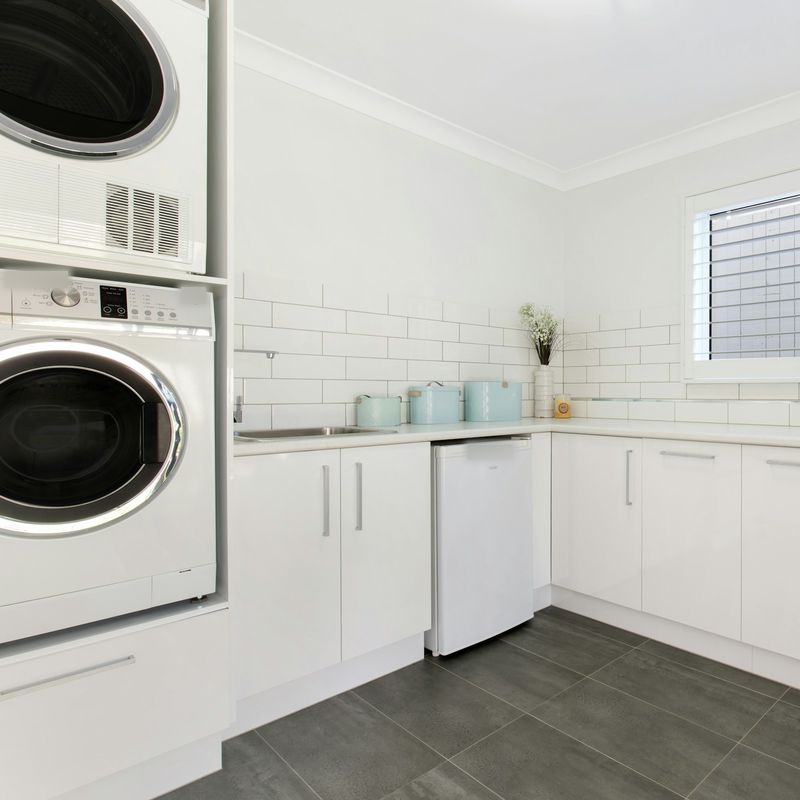
Short answer: an all-in-one washer-dryer combo washes and dries in the same drum, so you never move wet laundry. It is worth it if you lack the space or the vent for a separate dryer: most are ventless, fit where a front-load washer would, and the ones Consumer Reports tested run on a standard 110-volt outlet. The trade-offs are real: drying takes hours (over 3 hours for a 12-pound load in one test), the drum is washer-sized, you can’t wash one load while the last one dries, and they cost more to buy and repair. If you have room for two machines and do lots of laundry, a separate pair is faster.
How a combo dries without a vent
A combo washes like a regular front-loader (wash, rinse, spin, drain). Drying is different from a standard vented dryer. Most combos are ventless but need a drain or a water reservoir for the moisture they remove.
| Drying type | How it works | Trade-off |
|---|---|---|
| Condenser | Heats the air in the drum, then passes the hot, moist air over a cool heat exchanger; the water drains away | Dries quicker than heat pump at a higher temperature, so uses more energy |
| Heat pump | Recirculates warm air through an evaporator that pulls the water out, reusing the air in a loop | Most efficient (heat pump dryers use at least 28% less energy than a standard dryer, per Energy Star), but slower; clothes may feel less dry or warm until shaken out, and it exhausts cool air into the room |
From Consumer Reports, “Pros and Cons of All-in-One Washer-Dryer Combos” (updated January 31, 2026), section “How All-in-One Washer-Dryer Combos Work”, read November 6, 2026.
Pros
- Saves space: one machine, most within a few inches of a regular front-load washer (some are taller, so measure). No exhaust duct, so it can go on any wall with a water line, even in a kitchen or bathroom.
- No 220-volt outlet needed for the models CR tested, which run on 110 volts, unlike most conventional electric dryers.
- Load once and walk away: it switches to drying on its own, so clothes don’t sit wet in the drum, and some models send lint down the drain instead of using a lint filter.
- Strong washers: the five CR tested were high-performing, quiet, energy- and water-efficient and fairly gentle on fabrics.
- You can still run just a wash or just a dry cycle.
Cons
- Long drying times: over 3 hours for a 12-pound load and over 2 hours for an 8-pound load in CR’s tests. Every combo in CR’s ratings had less than satisfactory drying performance.
- Smaller drum: 4.5 to 5.3 cubic feet, washer-sized, against 7 to 9 cubic feet for a typical gas or electric dryer. Less room for air to circulate means slower drying, especially big loads and bulky items like comforters.
- No back-to-back loads: you can’t wash the next load while one dries, so four loads in a day can take 8 to 10 hours.
- Higher cost and repairs: they often cost more up front than a single washer, and with this many moving parts repairs can get pricey.
- Lots of delicates you don’t want in a dryer means programming the wash and dry separately.
Pros and cons from Consumer Reports, “Pros and Cons of All-in-One Washer-Dryer Combos” (updated January 31, 2026), sections “What Are the Upsides of a Washer-Dryer Combo?” and “What Are the Downsides?”, including comments from CR laundry expert Larry Ciufo, read November 6, 2026. Brand and model names and prices in that article are left out here.
Who a combo suits, and who should buy a pair
| A combo makes sense if… | A separate washer and dryer is better if… |
|---|---|
| You have no room for two machines, or no dryer vent | You have the space and a vent or 240 V dryer hookup |
| You want the machine in a kitchen, bathroom or closet with a water line | You do several loads a day and want to wash and dry at the same time |
| You’d rather start laundry before bed or work and come back to it dry | You often dry big, bulky items |
| Energy use matters more to you than speed (heat pump models) | Fast drying matters more than energy use |
Our own tips (not from that source): run the dry cycle overnight or while you’re out so the long drying time costs you nothing; dry smaller loads than the washer can take, since the drum fills up fast with tumbling laundry; and before buying, confirm the cold water and drain hookups where you want it and measure the doorway it has to pass through.
Keep it running
Neglect means even longer drying and earlier breakdowns. CR’s maintenance list: clean the filter after every load and rinse it under hot water now and then, clean detergent and softener residue out of the auto-dispensers, inspect and wipe the rubber door gasket, and run the self-clean cycle once a month. Your owner’s manual has the specifics for your model.
From Consumer Reports, “Pros and Cons of All-in-One Washer-Dryer Combos”, section “Repairs may be costly”, read November 6, 2026. More in how to clean a washing machine.
Washer-dryer combo checklist
- Space measured, including height and the doorway
- Water line and a drain where it will go
- Outlet checked against the listing (many run on 110–120 V)
- Heat pump (efficient, slower) or condenser (quicker, more energy)
- Drum size against your typical load
- OK with drying taking hours and one load at a time
- Monthly self-clean and per-load filter cleaning planned in
Shop washer-dryer combos on Amazon
Check each listing’s drying type (heat pump or condenser), drum capacity, outlet voltage and dimensions before you buy.
Keep reading
See all washer-dryer combos, or read heat pump vs vented dryer and front-load vs top-load washers.
Disclosure: As an Amazon Associate we earn from qualifying purchases. We also earn commissions from eBay and other retailers' affiliate links. Shop links on this page are affiliate links and are marked sponsored.